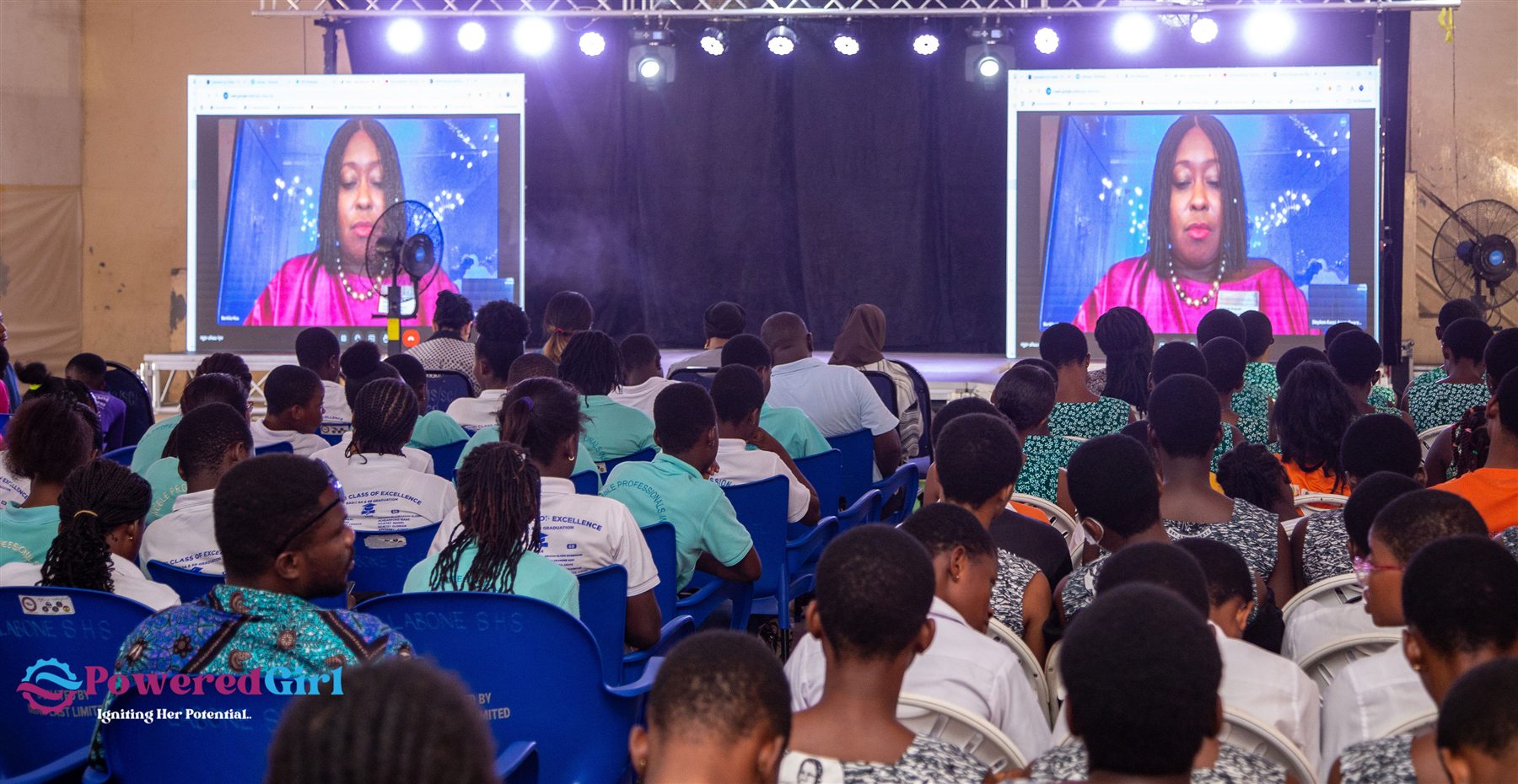
A learner can enjoy technology and still struggle to picture herself in a related career. Job titles may feel abstract. Routes into the field may be unclear. The people she sees represented may not reflect her own life or community. Mentorship helps close that distance.
Role models make pathways easier to read
Meeting a woman who works in technology makes a career more concrete. A mentor can describe what her work actually involves, which skills matter, how her interests developed and what she learned from difficult moments. This gives girls a more honest picture than a polished success story alone.
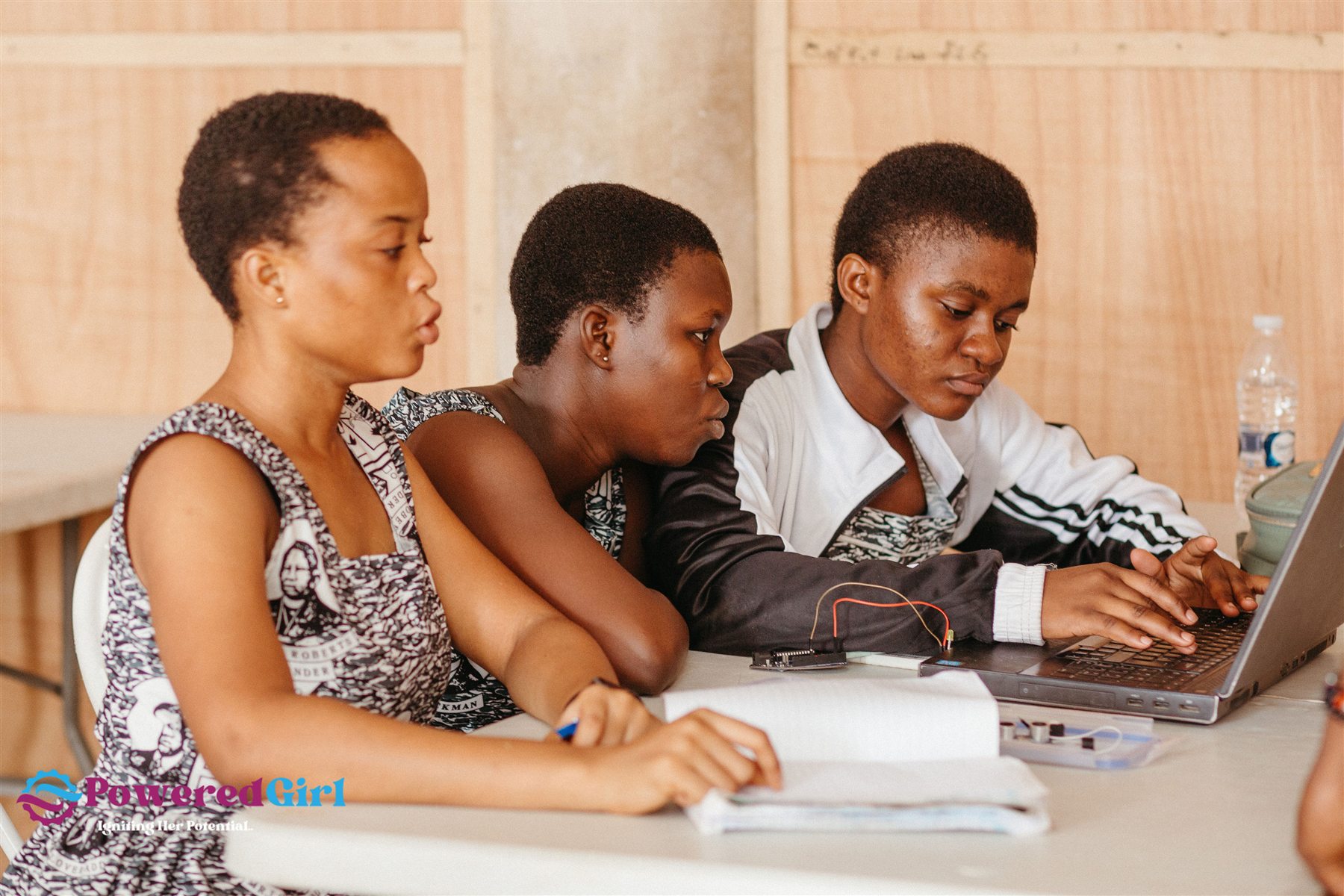
Powered Girl places female role models and career guidance alongside hands on projects. The connection matters. A girl can ask how the skills she is practising appear in a workplace, a university programme or an entrepreneurial idea.
She can become what she can see, but she also needs space to ask how the journey really works.
A mentor is not an answer provider
Good mentoring does not remove every uncertainty or tell a girl exactly what to become. It helps her develop the questions, information and confidence needed to make her own decisions. A useful mentor can:
- Explain a career in clear and realistic language
- Connect a current project to skills used in the workplace
- Share more than one route into a field
- Offer constructive feedback on a learner's thinking
- Point to safe and relevant opportunities for further learning
- Encourage reflection without choosing on the learner's behalf
Questions create agency
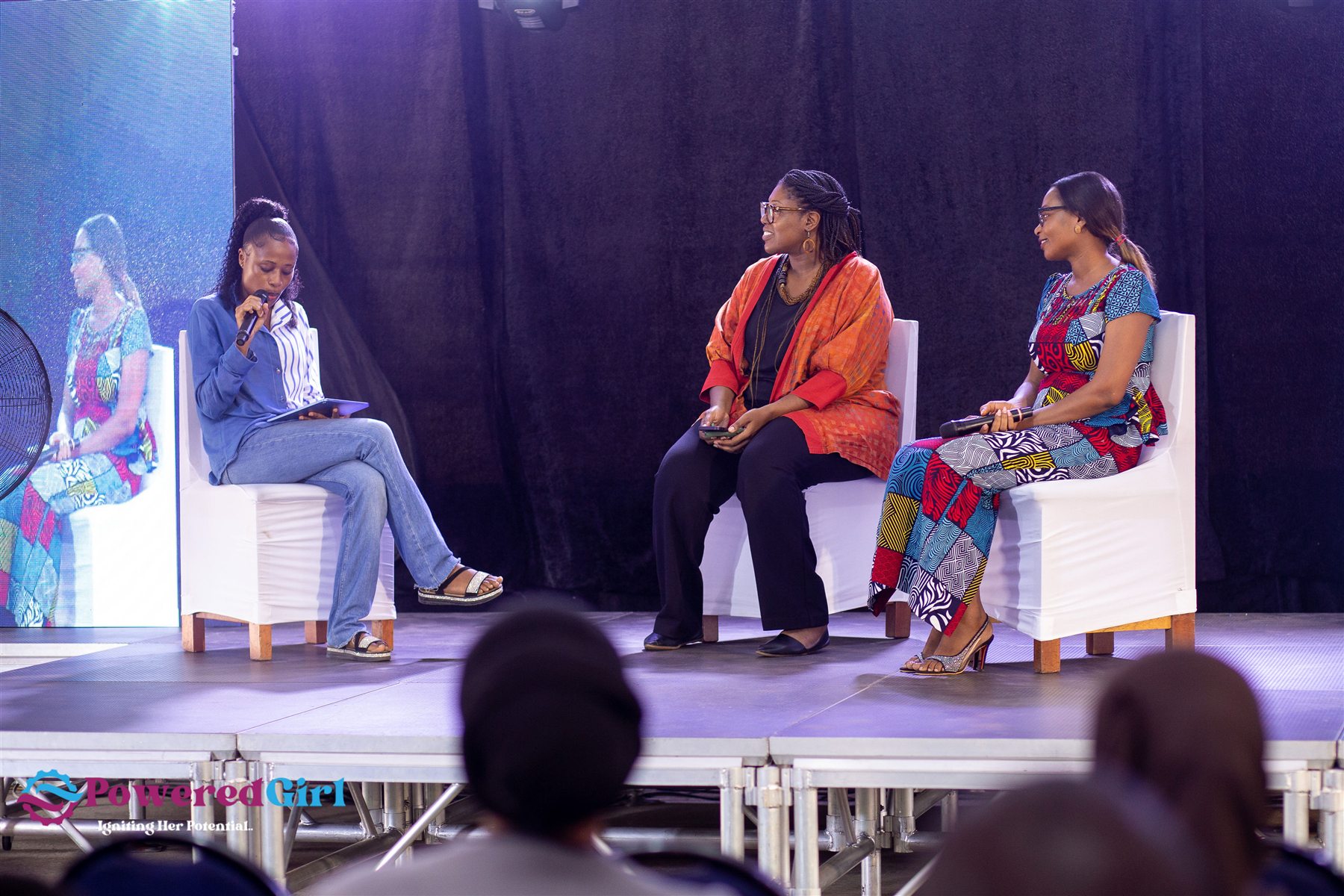
The most valuable part of a mentor session is often the conversation. Girls need permission to ask practical questions. What subjects helped you? Did you always know what you wanted to do? How do you respond when a project fails? What does your working day look like? What would you learn first if you were starting now?
These questions replace assumptions with useful information. They also show girls that careers are shaped over time through choices, practice, relationships and continued learning.
Strong mentoring needs structure and safety
Mentoring with young people should always sit inside clear safeguarding expectations. Communication channels, session formats, adult responsibilities and reporting routes must be understood before the relationship begins. Structure protects both the learner and the mentor while keeping the conversation focused.
A simple session can include preparation before the conversation, a focused theme during it and one realistic action afterwards. The action might be researching a course, improving a project explanation, practising a new skill or speaking with a teacher about the next available opportunity.
From one conversation to a network of support
No single mentor needs to represent every possible future. Girls benefit from meeting women with different roles, backgrounds and routes through education and work. Together, those perspectives show that there is no single correct way to enter STEM.
When mentorship is connected to practical learning, it does more than inspire. It helps girls interpret their experiences, recognise their strengths and make a confident next decision.
Help a girl turn curiosity into practical skill and a visible next step.
Join Powered Girl